
Design is how a site looks and reads. Development is how it works. You usually need both, and confusing the two is the most common reason a project goes sideways.
Web design is how a site looks, reads, and guides someone toward contacting you, and web development is how it is actually built, how fast it runs, and what it connects to. Most Charlotte businesses need both, and most quotes they receive cover only one, which is why projects so often end with a site that looks right and does nothing.
What you are buying when you buy design
Design covers layout, typography, imagery, and the order information appears in, which together decide whether a stranger trusts you in the first few seconds. It also covers the words, and the words do more work than the visuals on a service site. A designer who hands back a beautiful page with placeholder copy has done about half of the job.
What you are buying when you buy development
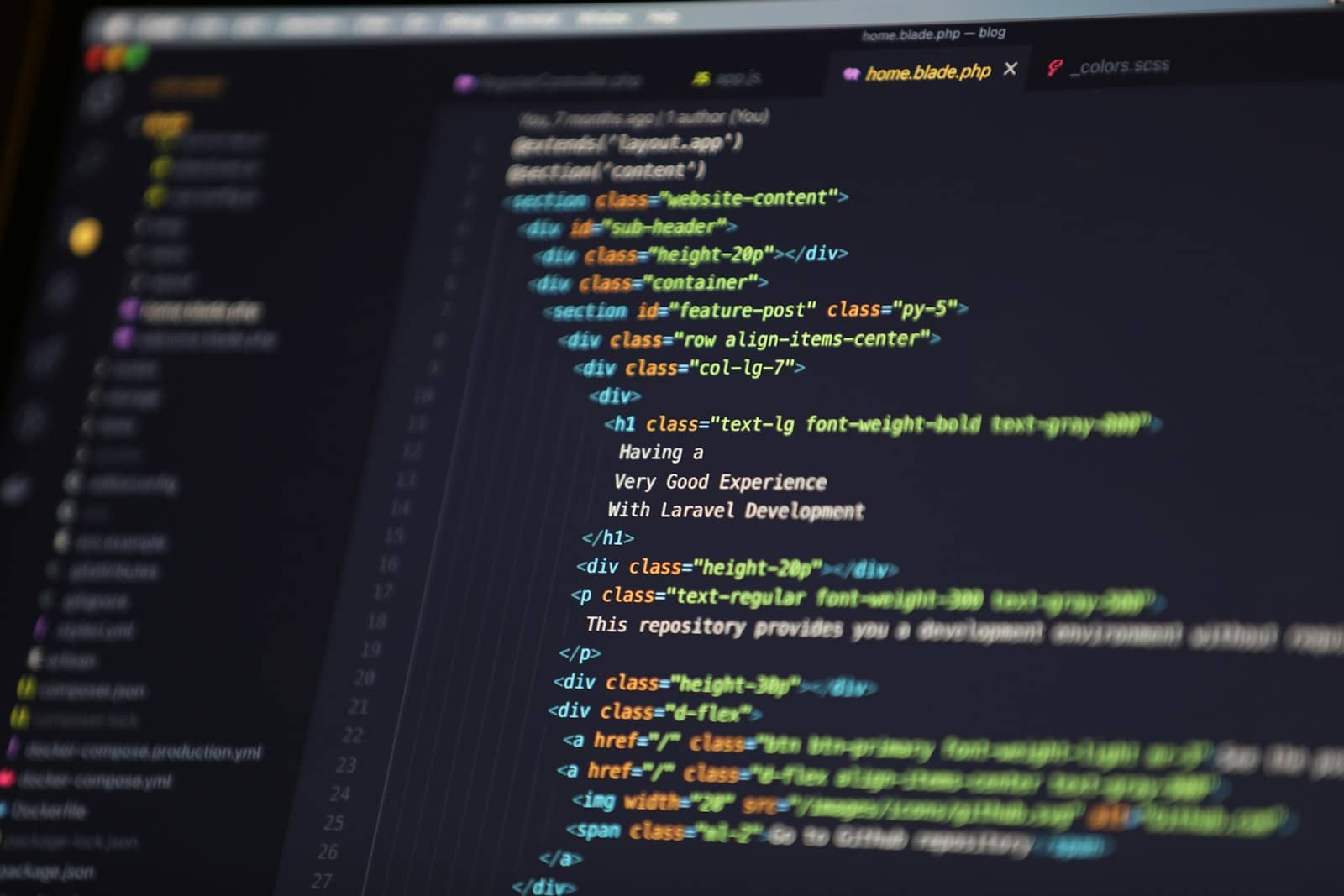
Development covers how the site is built, how quickly it loads, how it behaves on a phone, and how it connects to everything else you use. That includes your forms, your calendar, your CRM, your review requests, and your analytics. It is the part you cannot see in a screenshot and the part that determines whether the site produces anything.
Why the split causes problems
The classic failure is a design handed to a developer who was not in the room when the decisions were made, and the second classic failure is a developer building without a design and calling the result minimal. Both produce sites that technically launch. Neither produces a site that ranks and converts, because nobody owned the outcome end to end.
Where the money usually goes wrong
Businesses tend to overspend on visuals and underspend on the plumbing, because the visuals are the part you can see and judge. A site with an average layout and a fast, well structured build will out earn a beautiful site that loads slowly and drops leads into an unattended inbox. If your budget forces a choice, protect the plumbing.
What a service business actually needs
For a local service business the requirement list is short and boring: fast on mobile, one page per service, clear contact options everywhere, and a lead that reaches a human quickly. Everything beyond that is a preference rather than a need. Anyone quoting you a large build without covering those four first is selling you the wrong thing.
Ask for both under one owner
The cleanest arrangement is one team accountable for how it looks and how it works, so there is nobody to point at when the site is pretty and silent. That is how we structure builds, and it is the arrangement worth asking for whoever you hire, because a split with no owner is where the cost overruns live.